




Centre for Studies on Bengali Diaspora

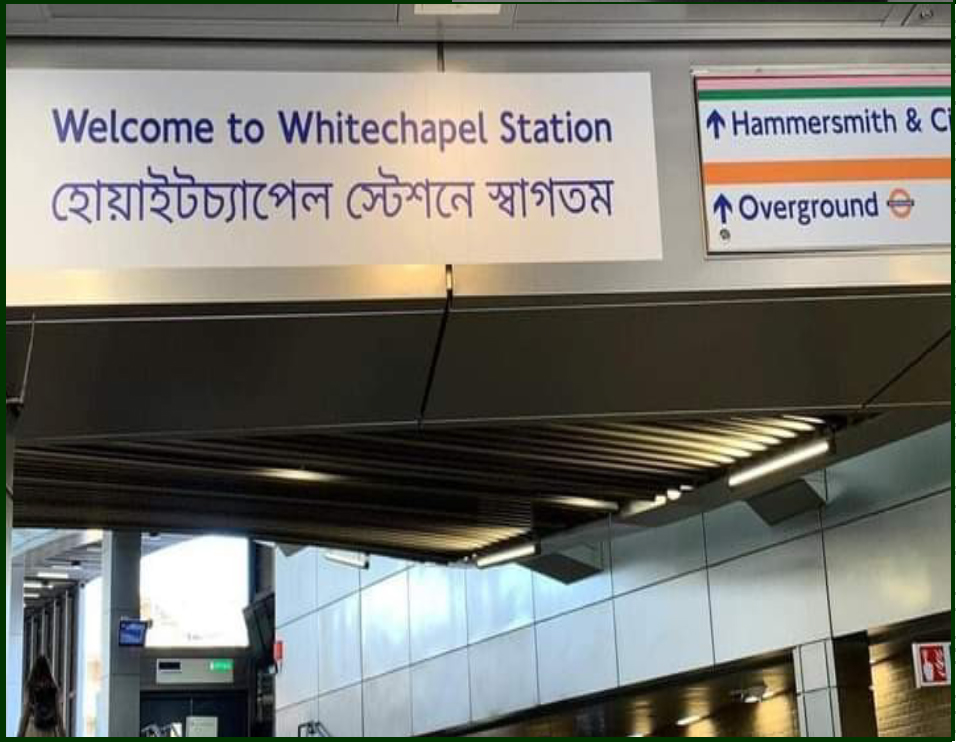
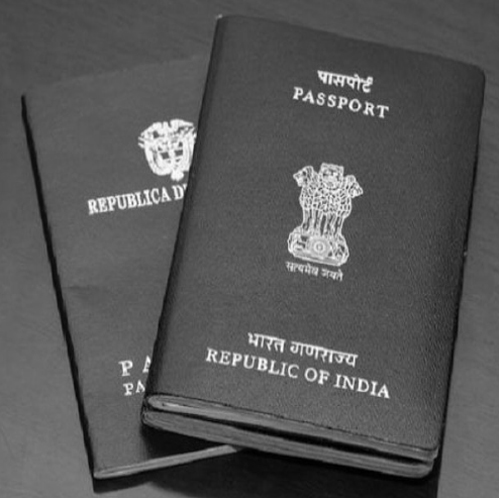

The term Diaspora is derived from Greek word Diasperian implying sowing or scattering seeds. Originally it was applied to Jewish people outside Palestine. However, at present it is applied to displaced people dislocated from homeland and relocated in a foreign land. International migration due to war and territorial conflicts, geographical and environmental changes leads to influx of refugees. Sometimes voluntary migration in search of better employment opportunities or to be in the forefront impels settlement in foreign land.
Diaspora figures prominently in Social Sciences like Political Science, Sociology, Anthropology, Economics etc. It also has ramifications in History and Literature.
The Bengali Diaspora is an integral part of the Indian Diaspora. Non resident Bengalis are interspersed throughout the lengths and breadths of the world. They have maintained their emotional attachment to their motherland and sought to perform their role as bridge builders between their country of residence and their original homeland.
There has been an enormous proliferation of literature on Diaspora and centres for Diaspora studies have mushroomed in various parts of India. However, none of them has established any centre exclusively devoted to studies on the Bengali Diaspora in particular and Indian Diaspora as a whole.

- Year of establishment: 2014
- Faculty: Faculty of Arts and Commerce
- Interdisciplinary programmes and departments involved: In all the programs of the Centre, diverse faculties like Bengali, English, Economics, Folklore, Sociology, Political Science, History, Sanskrit participated actively and imparted a multidisciplinary dimension to the same.
- Number of teaching posts sanctioned, filled and actual (Professors/ Associate Professors/ Asst. Professors/ others): Proposal sent to UGC in 2015.
- Faculty profile with name, qualification, designation, area of specialization, experience.
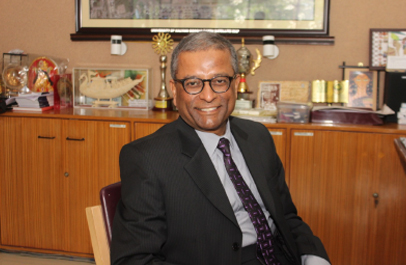
Name: Prof. Sumit Mukerji
Designation: Director, Centre for Studies on Bengali Diaspora Professor,Department of Political Science
Qualifications: M.Phil., Ph.D.
Specialization: Identity Politics Diaspora Studies Terrorism Indian Freedom Movement Political Thought
No. of Years of Experience: 35 yrs.
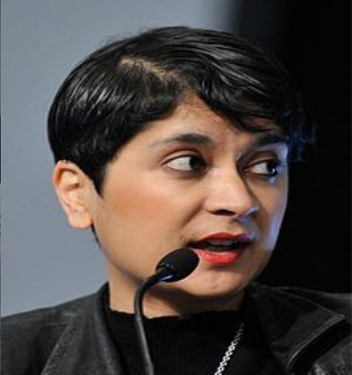
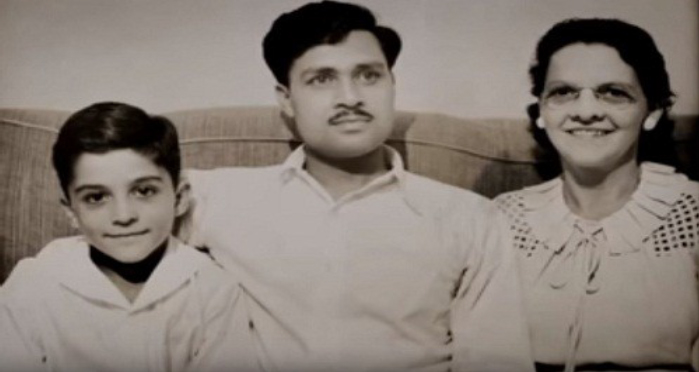
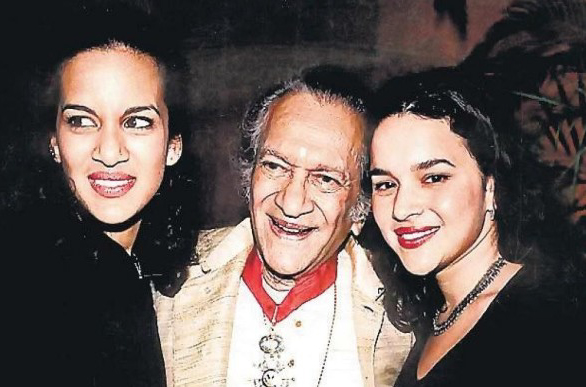
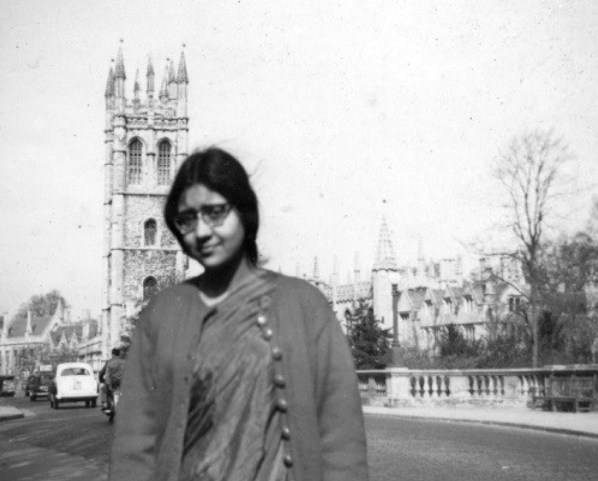
The Centre looks forward to collaborative endeavour with the objective of stimulating inter disciplinary research envisaging intensive academic vibration through generation of research insights encompassing diverse areas and domains of knowledge. The ultimate goal is to reach out to the regional, national and global arena at both the academic and practical level and ensure enhanced visibility for the diasporic community. The common agenda for this integrated, collective effort is as follows.
- Organizing inter-disciplinary workshops based on diverse disciplines like Political Science, History, Literature, Sociology, Anthropology, Folklore, Education and also specialized fields like Film, Media and Gender Studies.
- Arranging Distinguished Lectures/ Seminars/ Panel Discussion consisting of writers, social and cultural activists and intellectuals of the Bengali Diaspora and academicians.
- Opening Doctoral programme on Area Studies in the University.
- Undertaking outreach activities pertaining to community, culture and society in multi-dimensional perspective. Issues like Sensitization programs, Awareness programs for immigrant women and children etc.
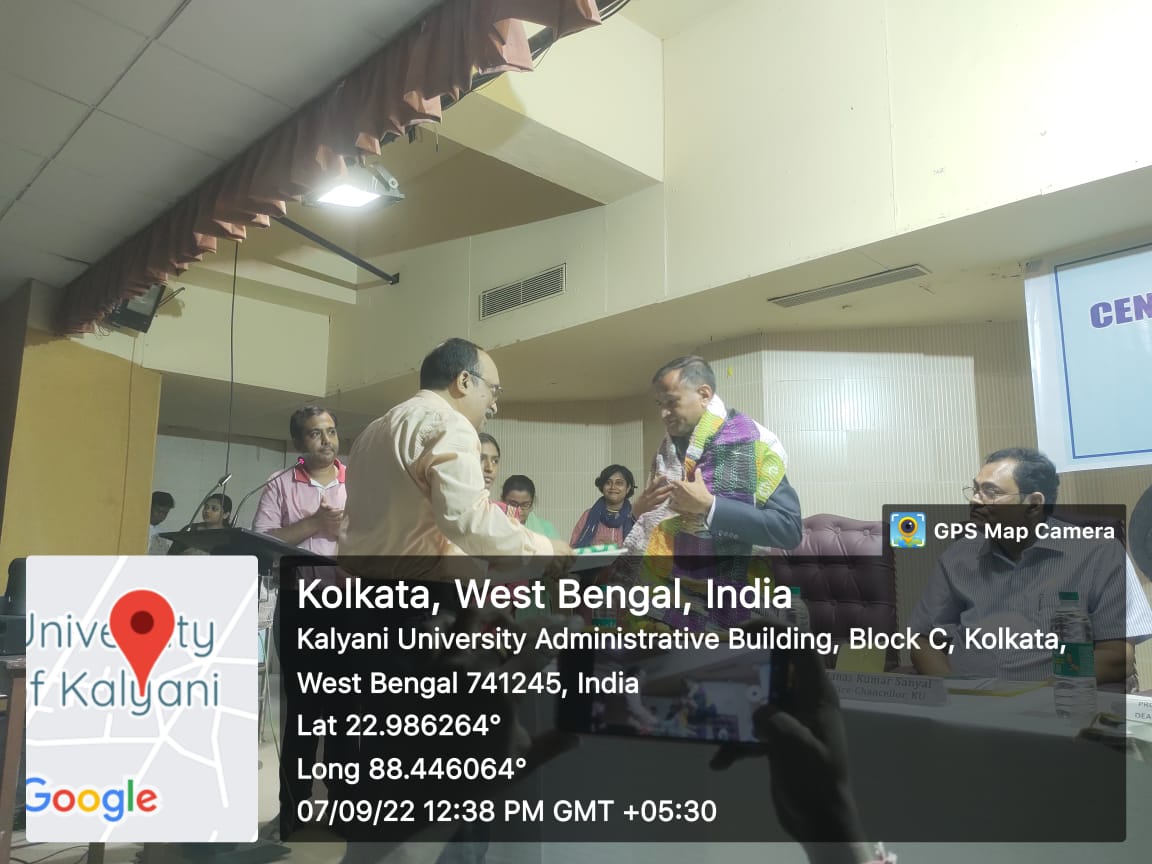
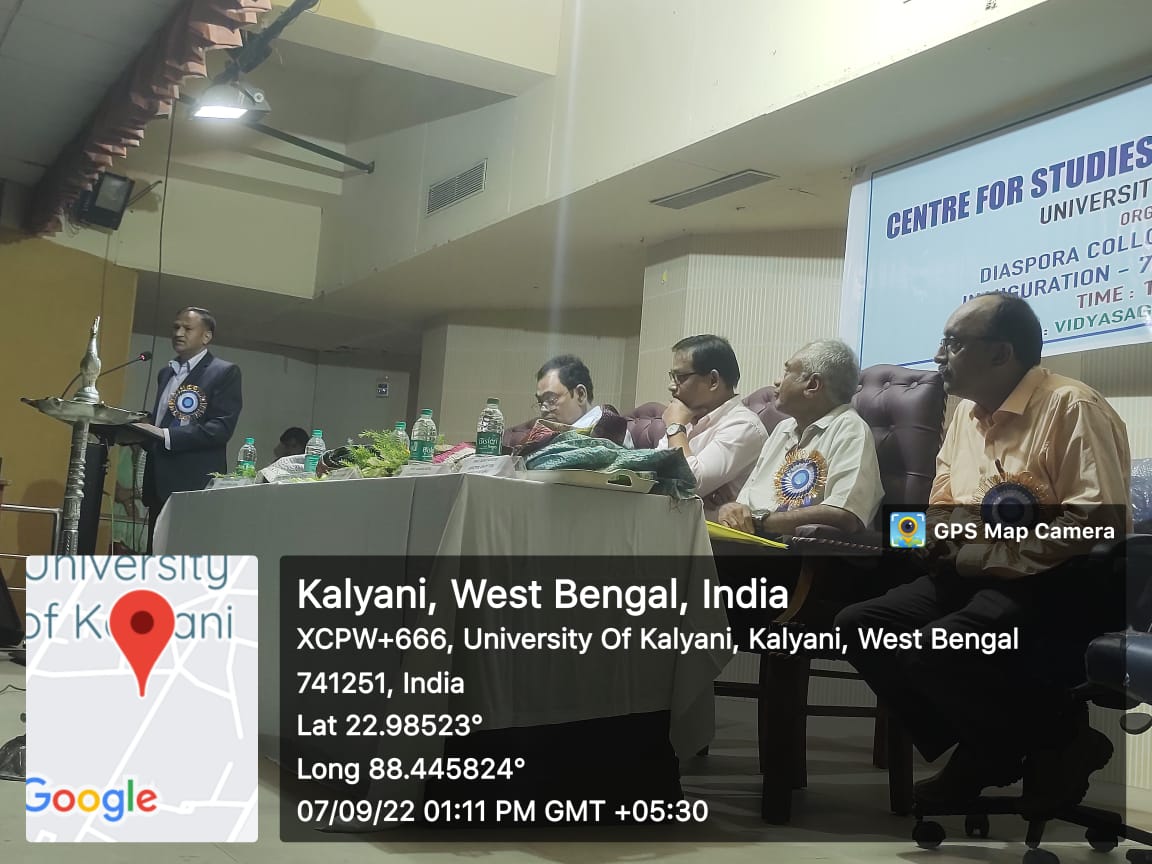
Inauguration Ceremony
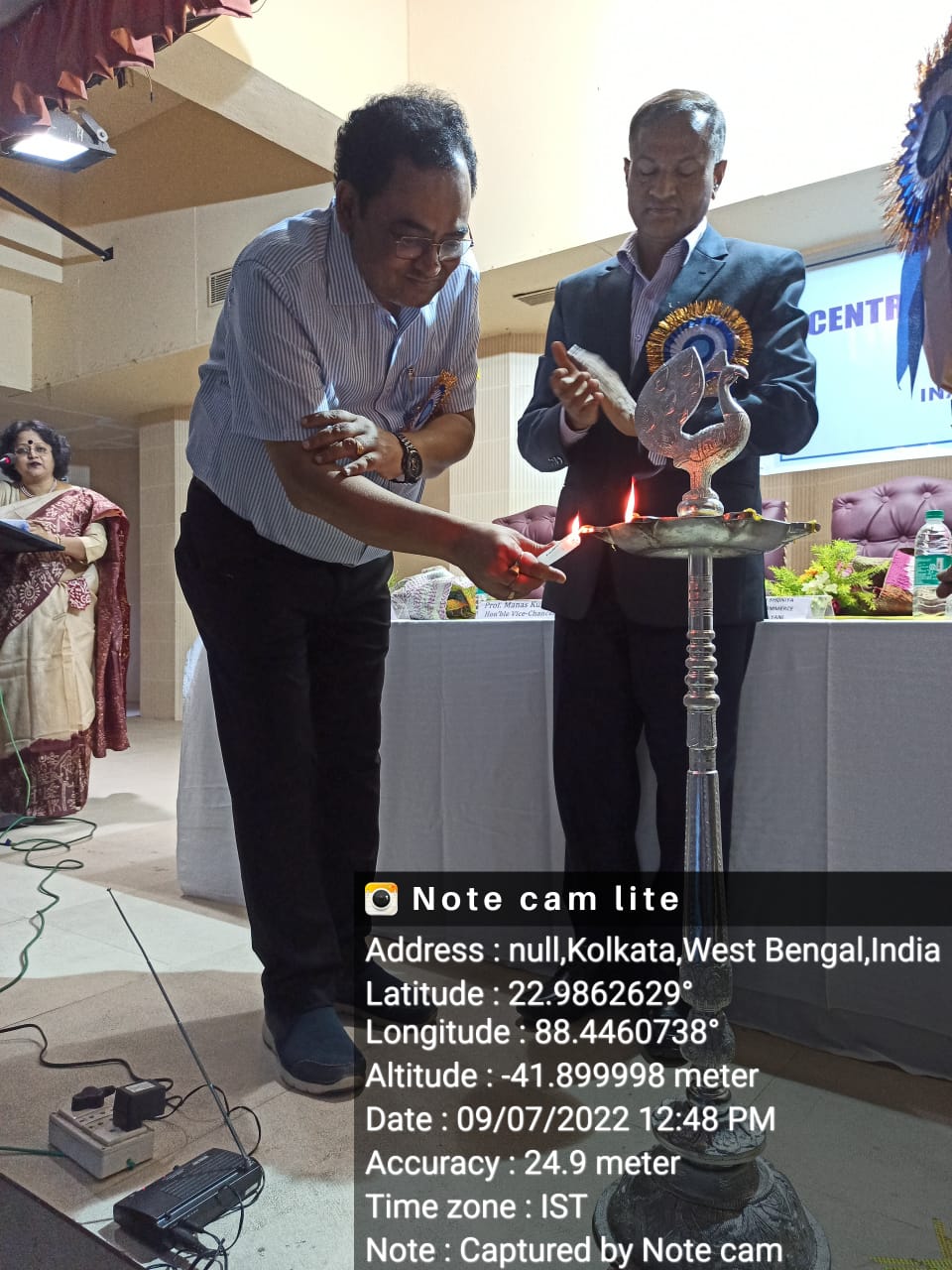
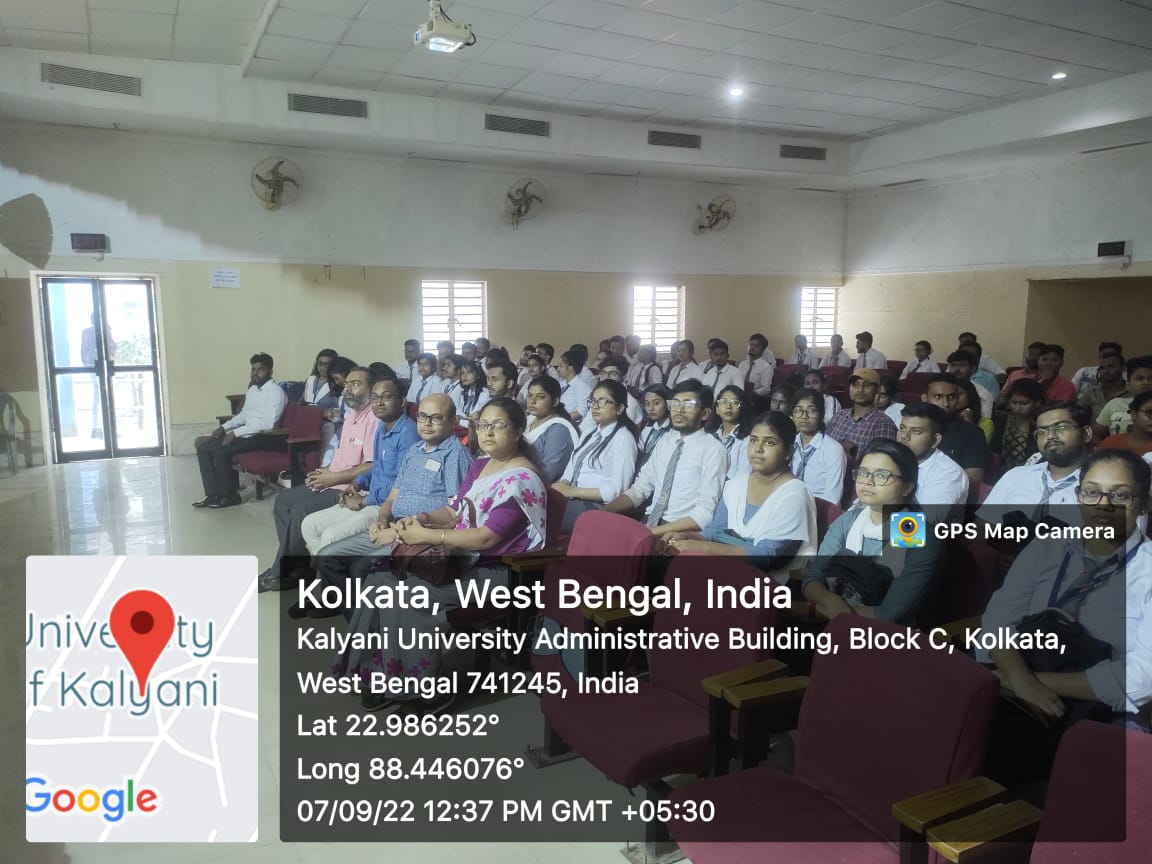
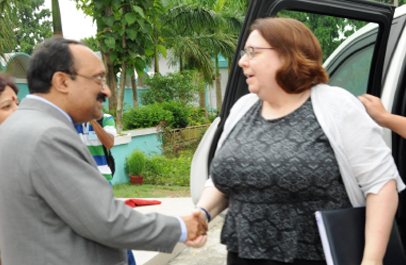
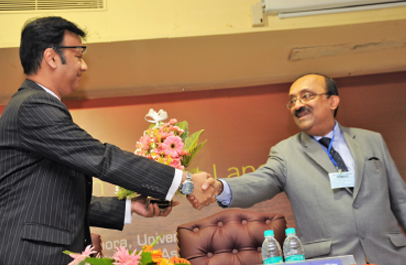
The Centre for Studies on Bengali Diaspora, University of Kalyani was inaugurated on June 26, 2015 by His Excellency, the Governor of West Bengal Mr. Kesari Nath Tripathy in the presence of Prof. Rattan Lal Hangloo Hon’ble Vice Chancellor of the University, with an international seminar entitled Offsprings of Bengal in Distant Lands, Quest of the Disanchored. Ms. Helen LafaVe, Hon’ble Consul General US and the Hon’ble Deputy High Commissioner of Bangladesh Mr. Zokey Ahad was also present in the occasion.
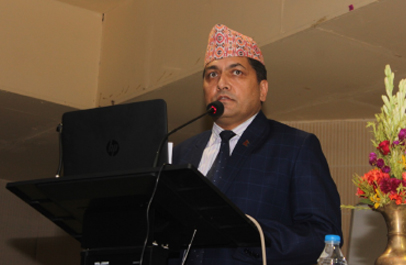
Event Speakers
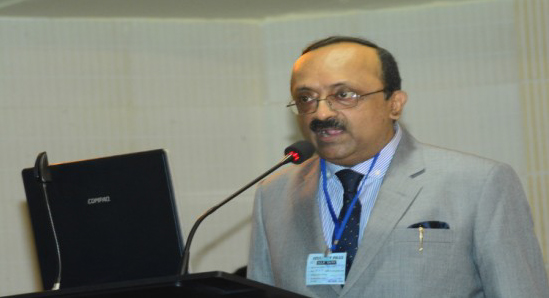
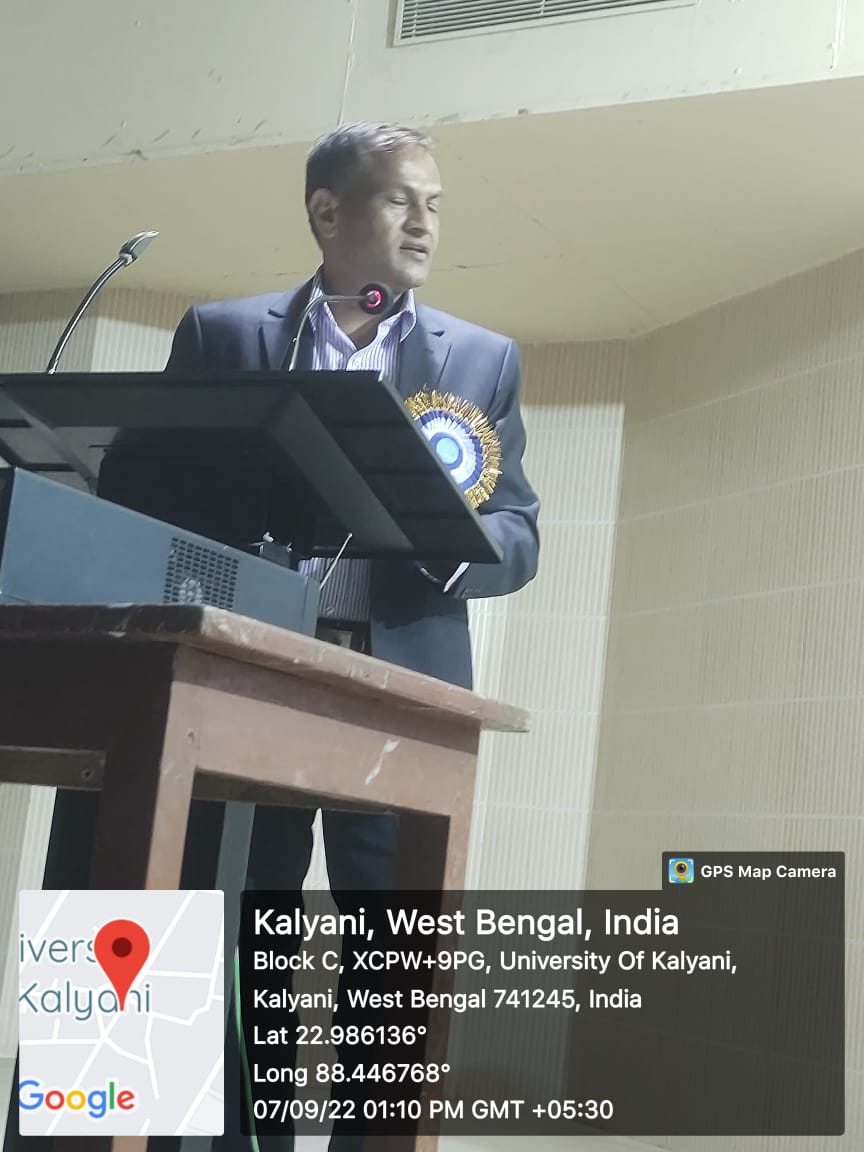
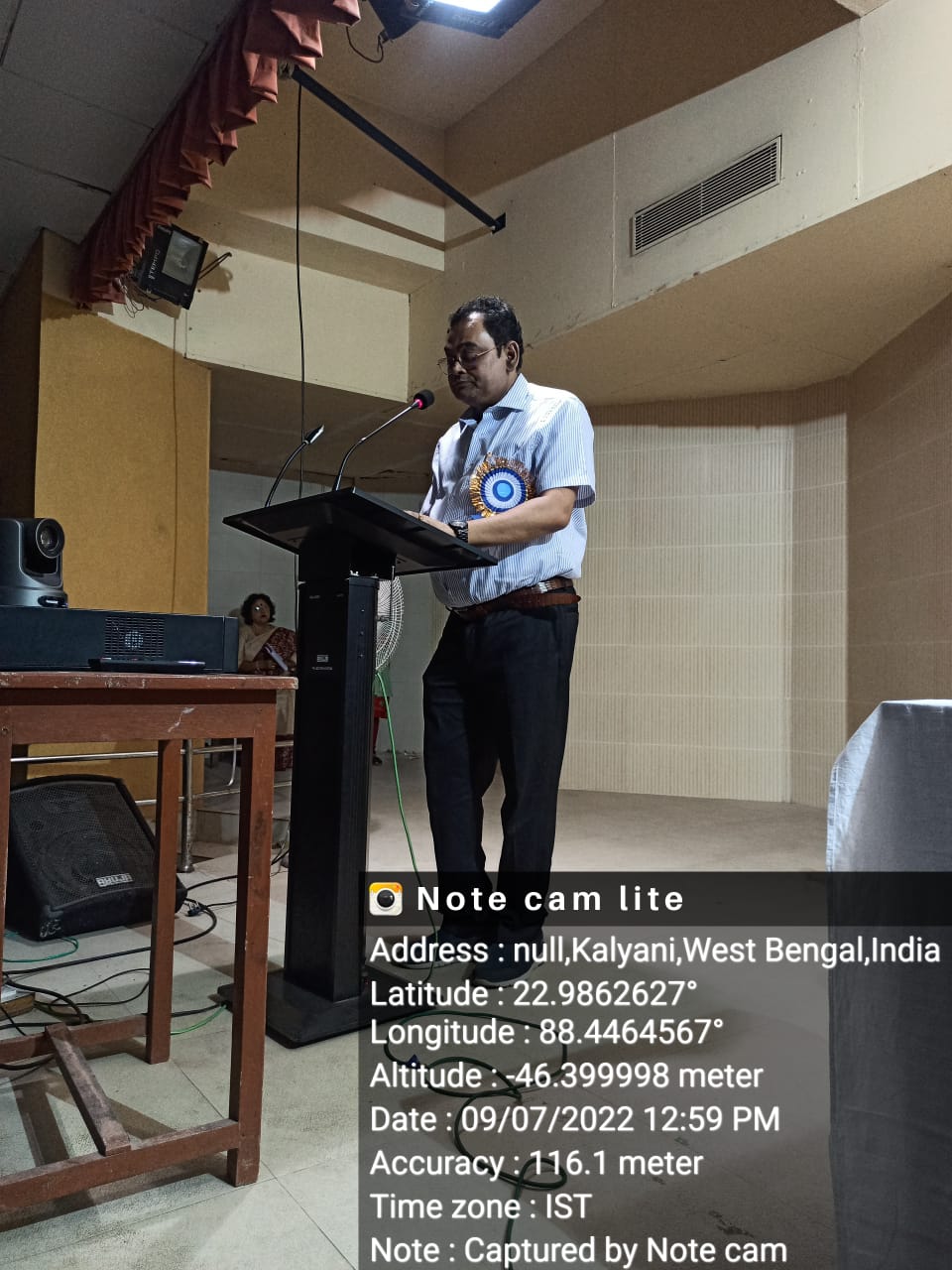
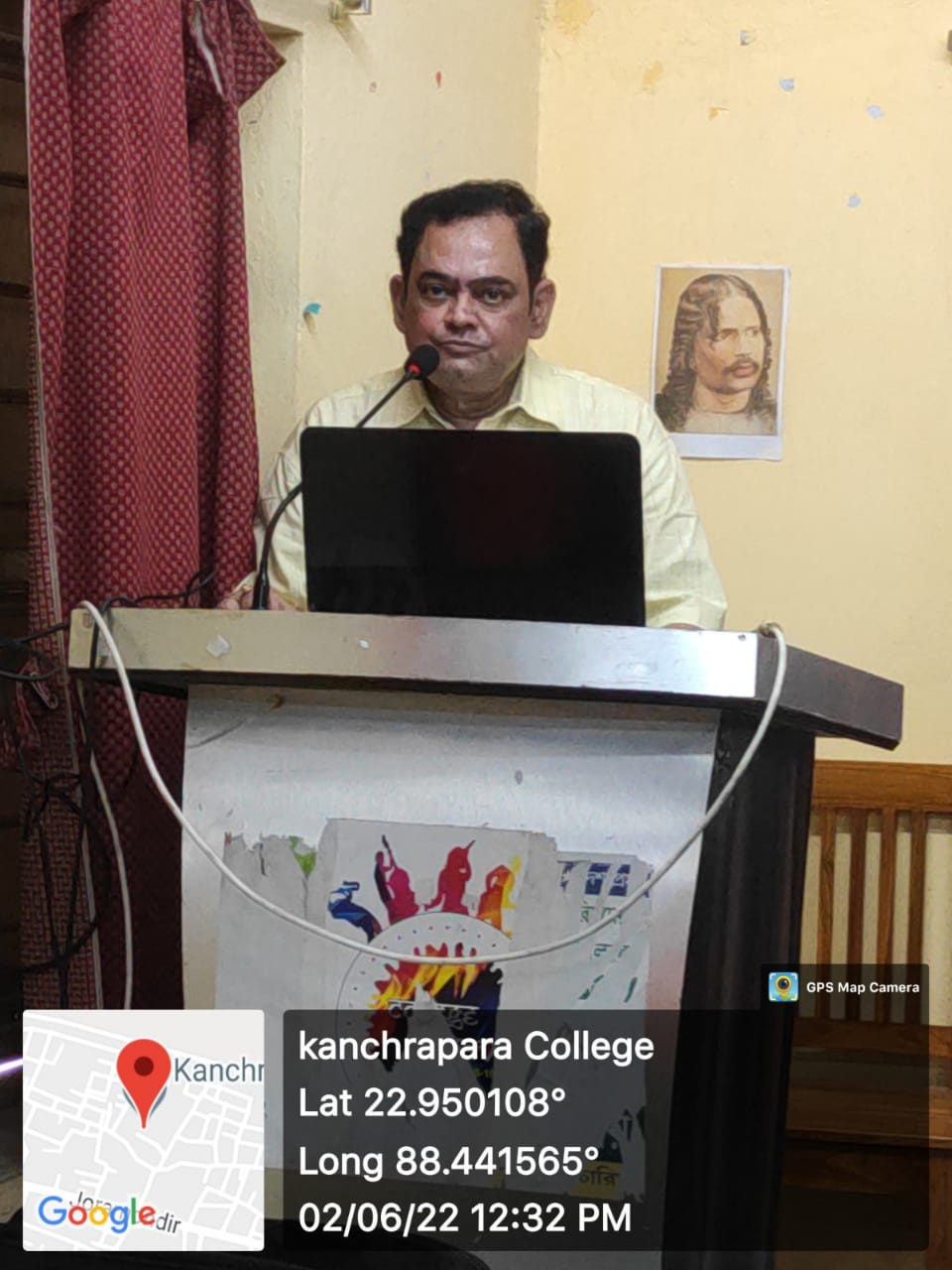
Director of Centre for Studies on Bengali Diaspora
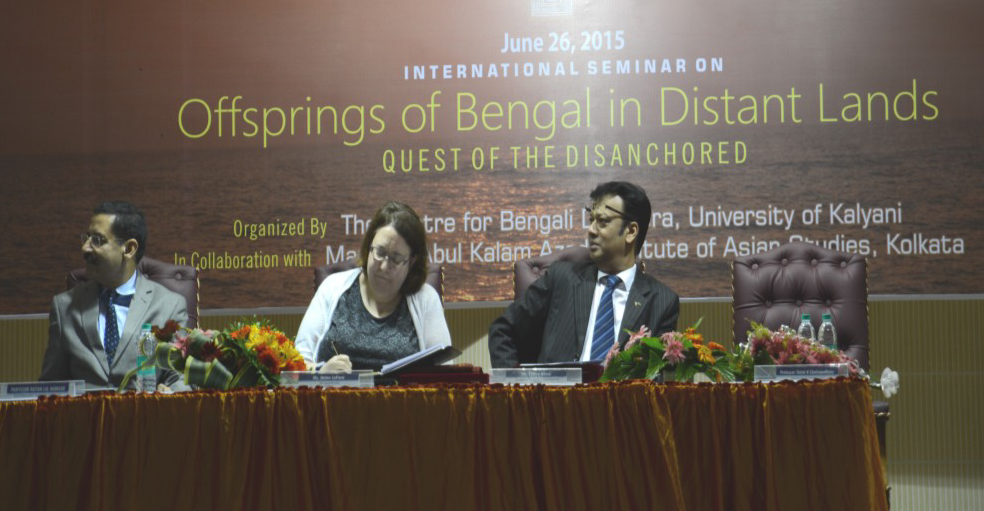
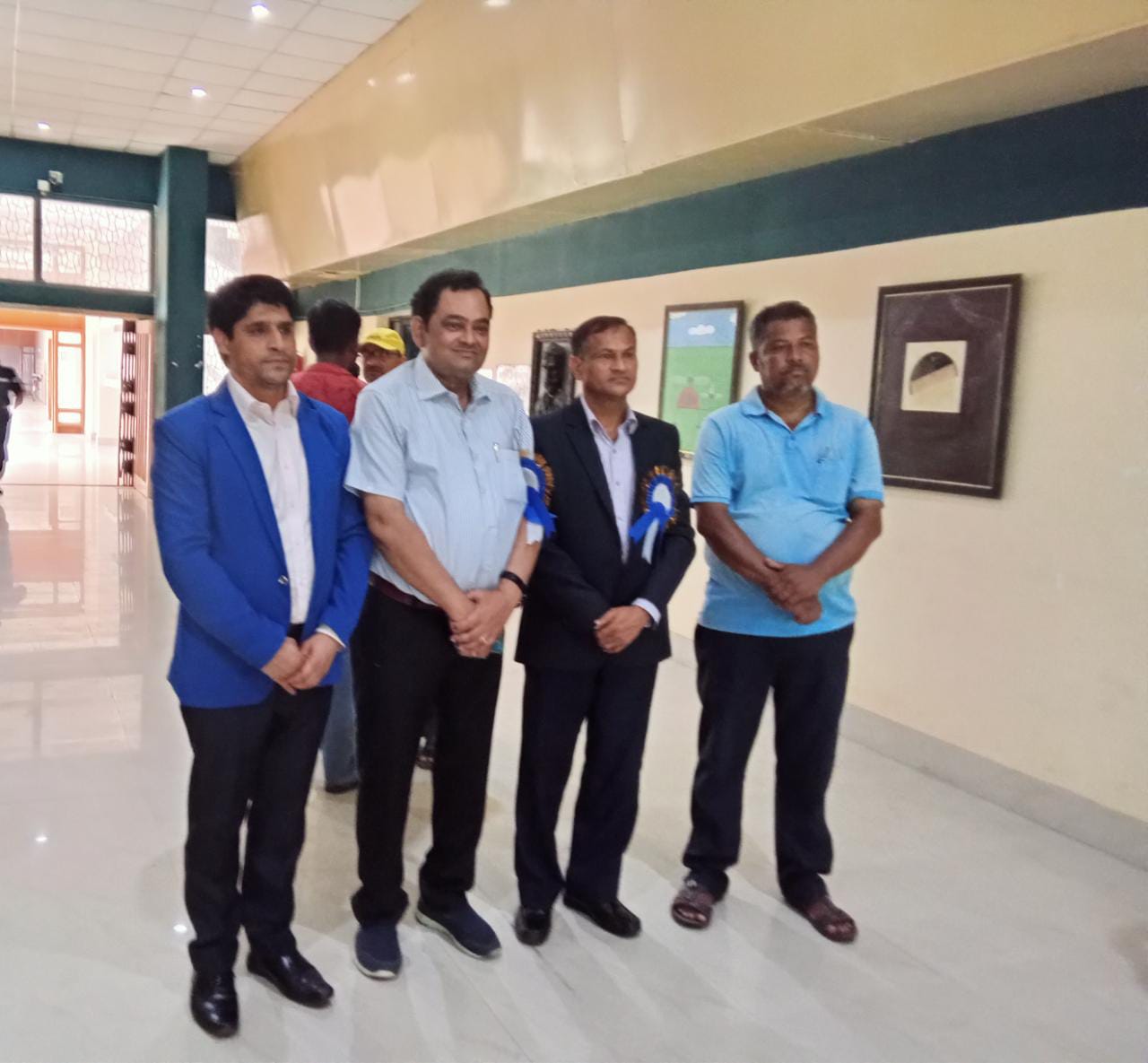
Ms. Helen LafaVe, Hon’ble Consul General US and the Hon’ble Deputy High Commissioner of Bangladesh Mr. Zokey Ahad were present on the occasion.
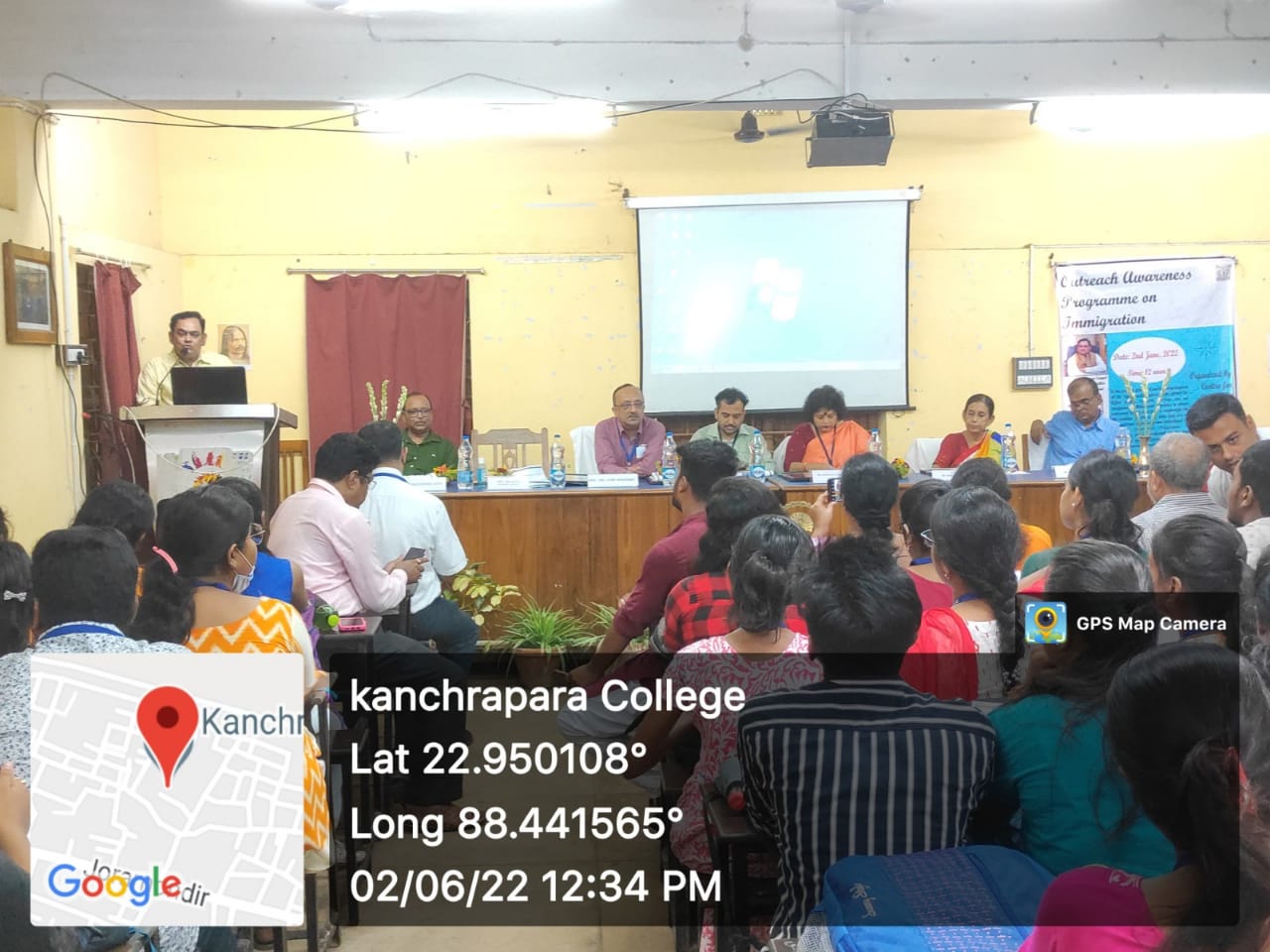
Outreach Awareness Programme
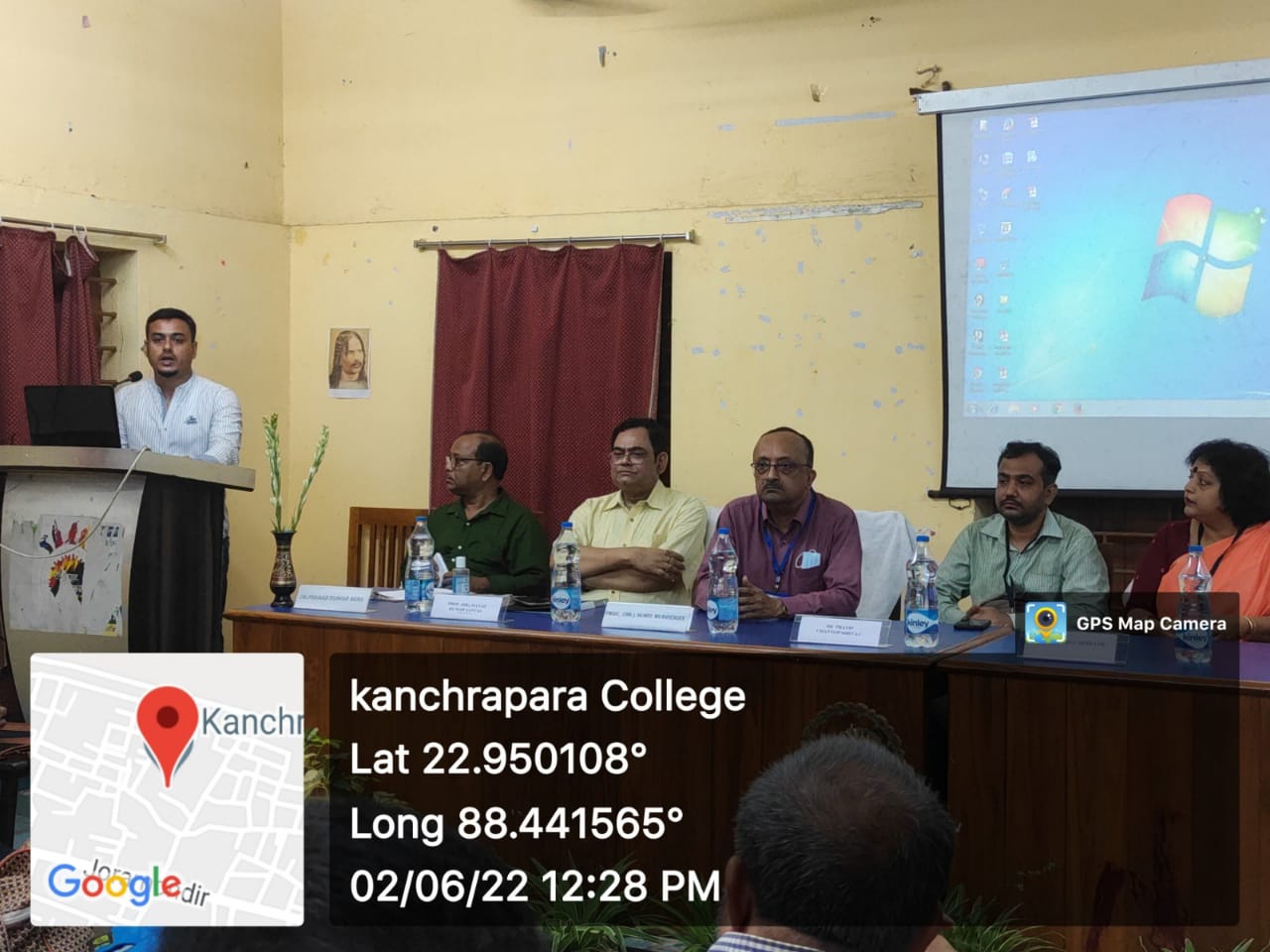
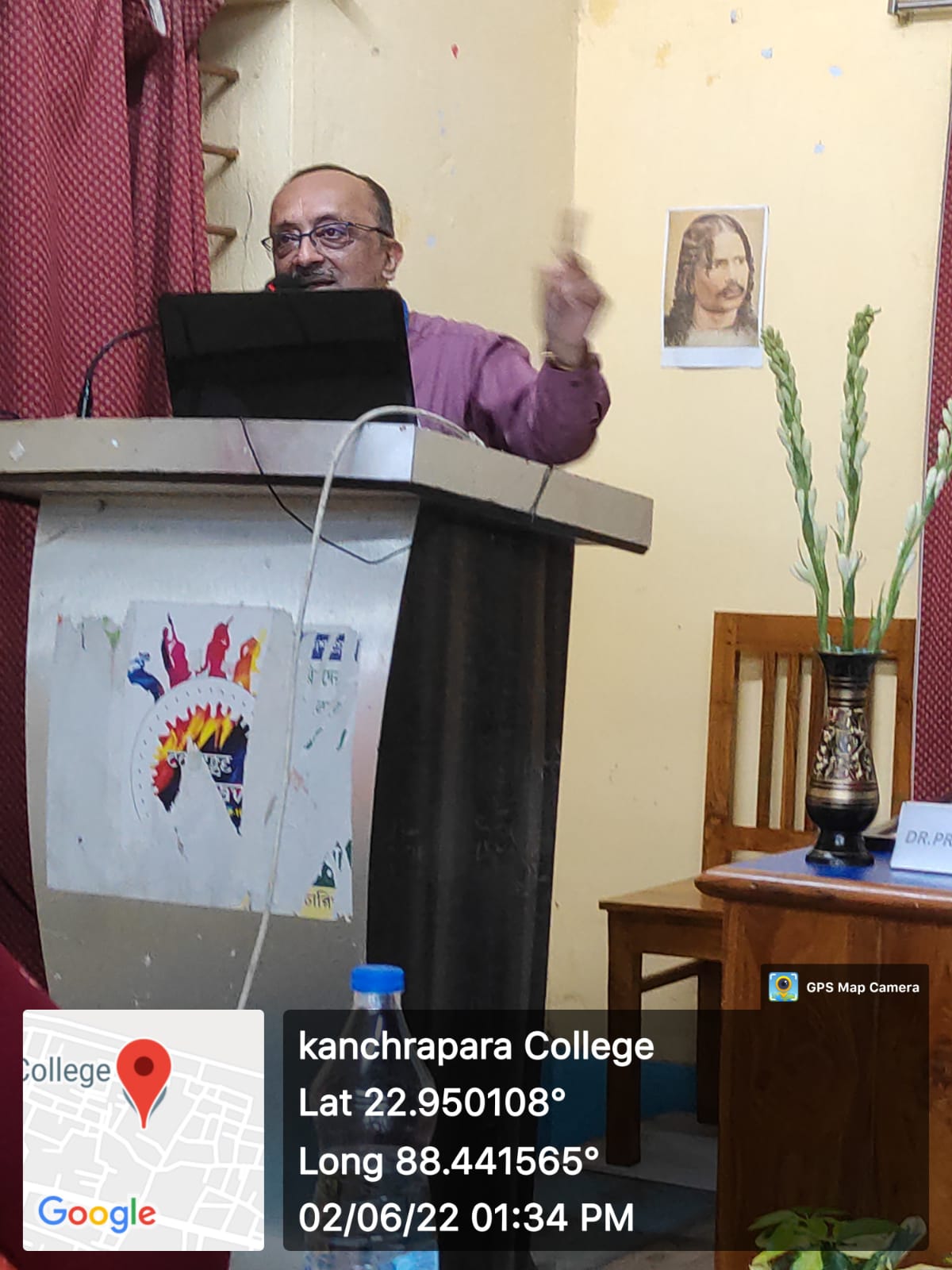
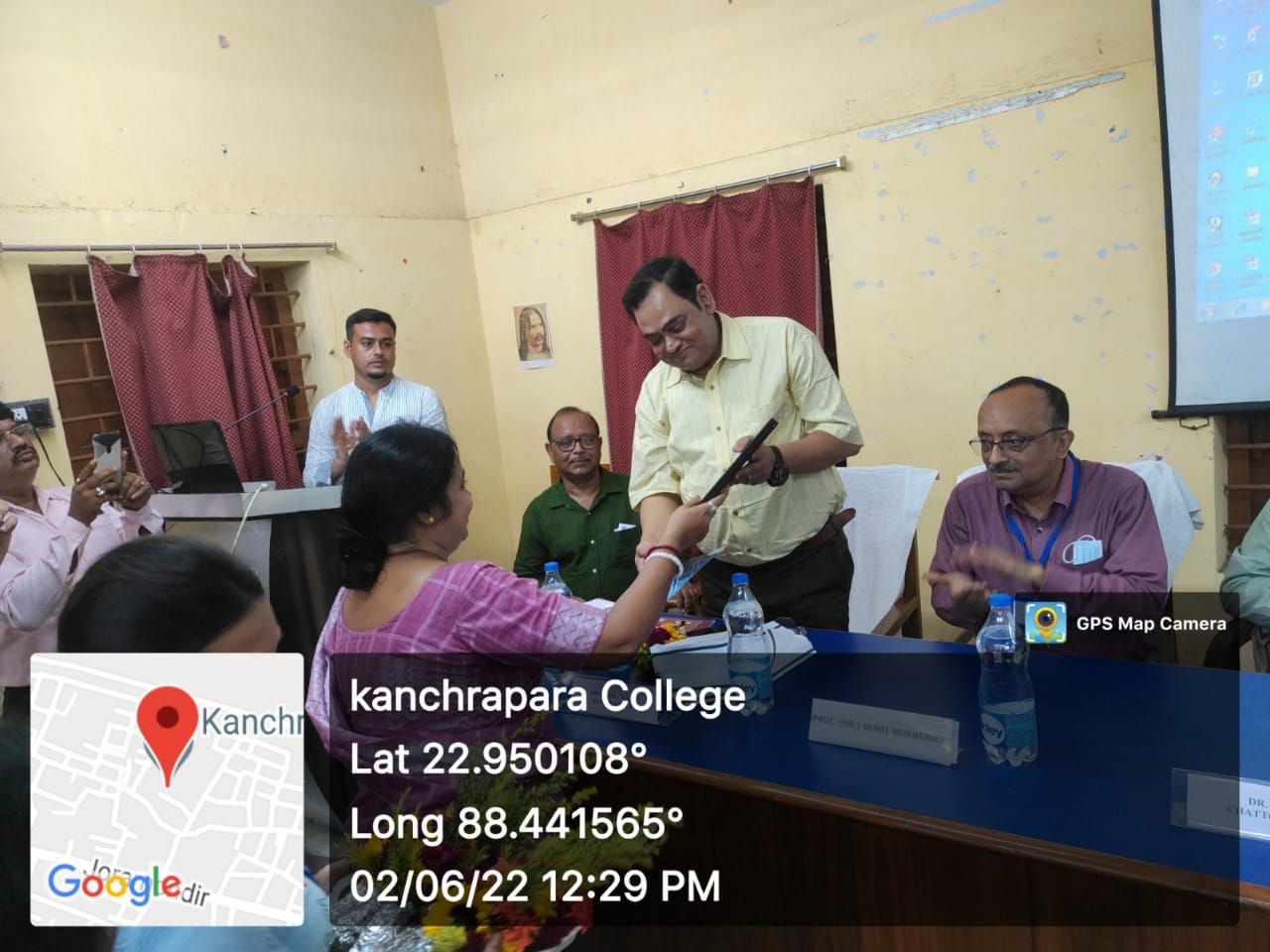
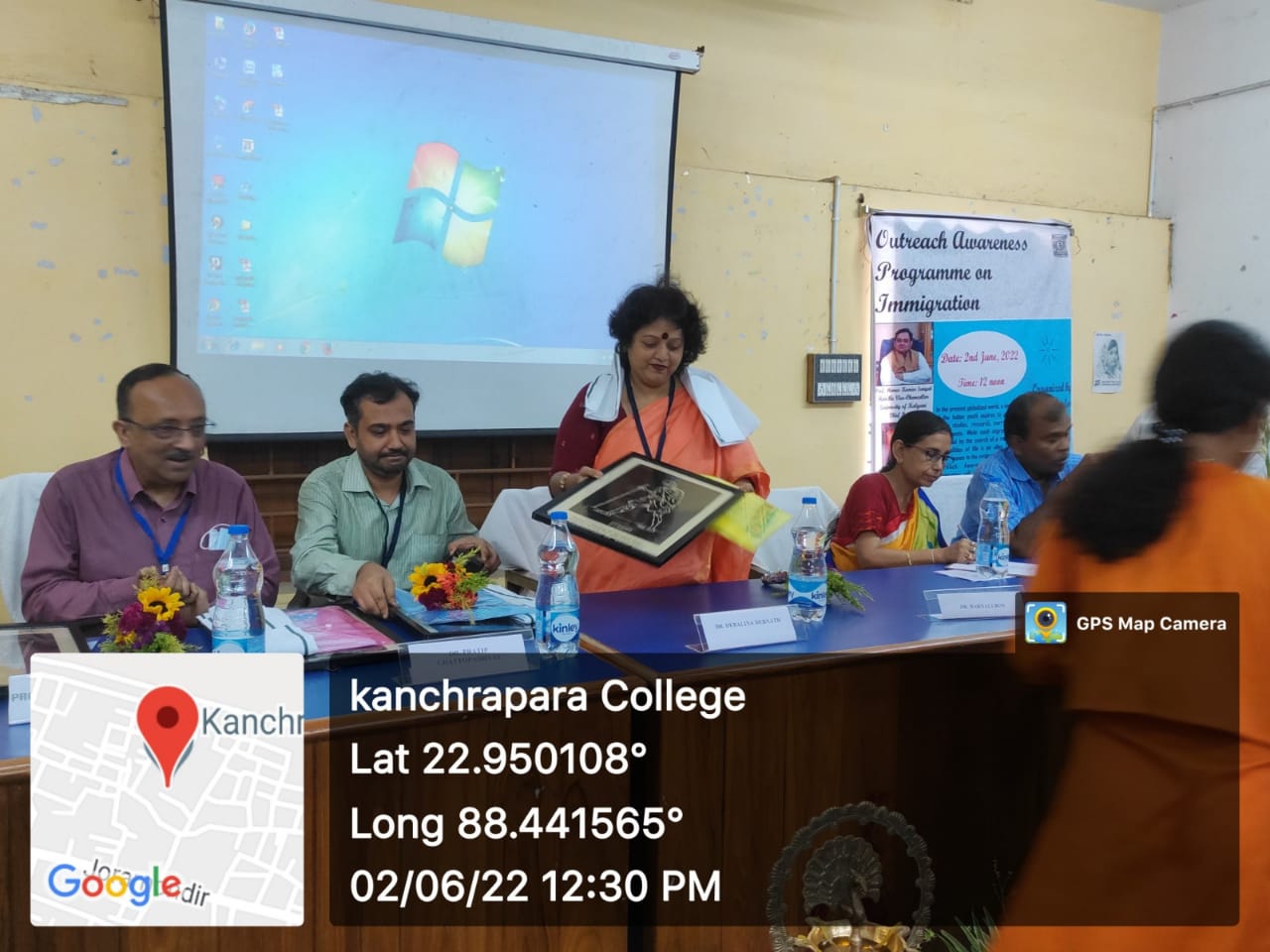
Outreach Awareness Programme on Immigration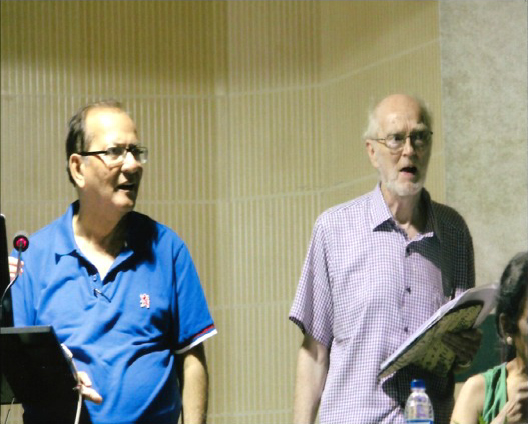
International Seminar 2016
International seminar entitled Renegotiating th...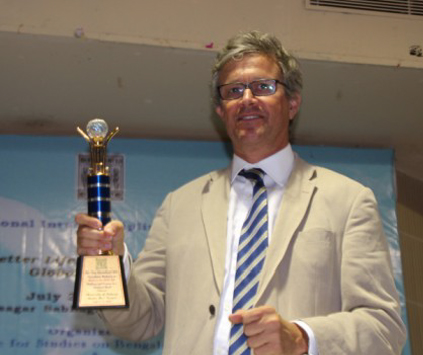
Workshop 2018
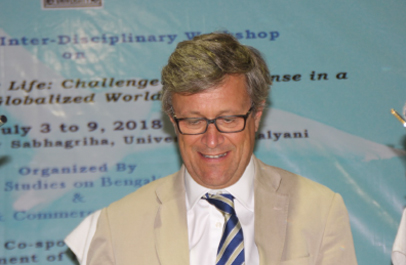
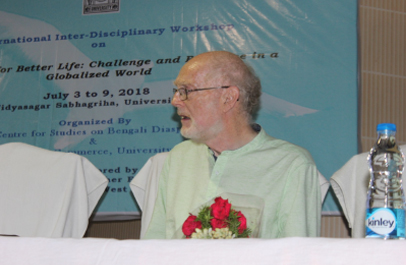
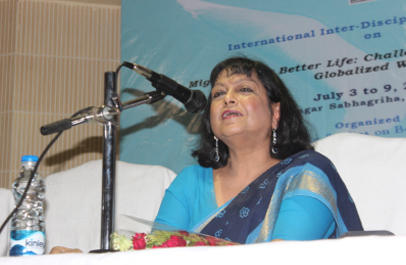
7 Days International Inter-Disciplinary Worksho...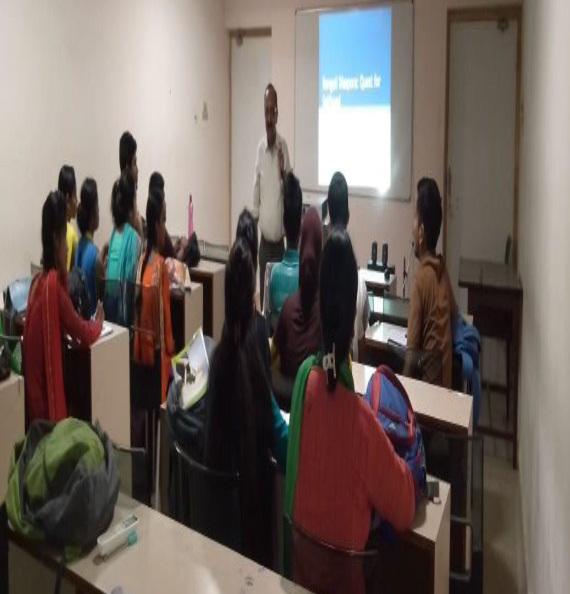
Summer School 2019
21 Days Summer School on Diaspora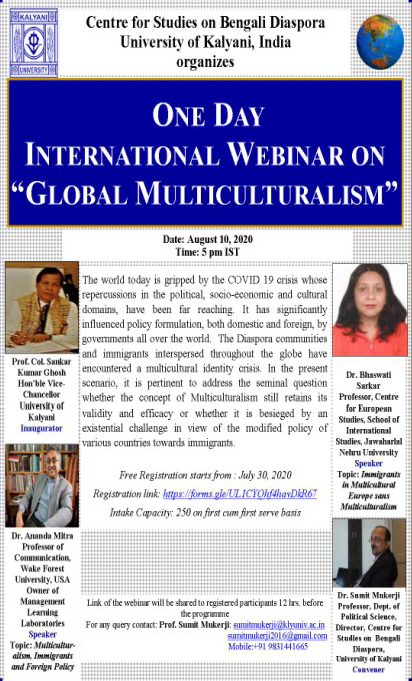
Webinar 2020
ONE DAY INTERNATIONAL WEBINAR ON “GLOBAL MULTIC...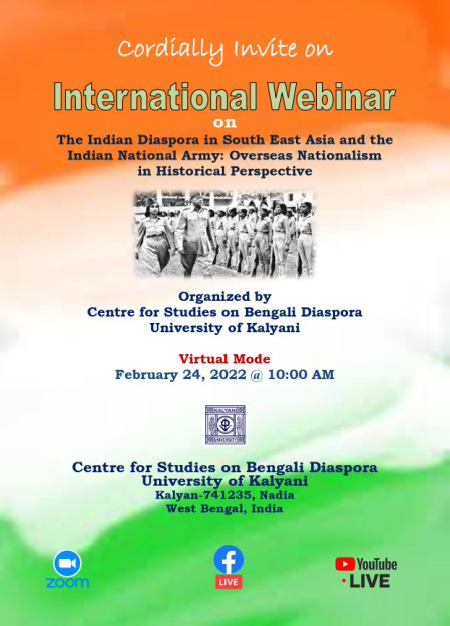
International Webinar 2022
The Indian Diaspora in South East Asia and the ...Not just Amartya Sen, Amitav Ghosh or Gayatri Chakravorty Spivak. The centre aims to recognise the largely undocumented contribution of unknown, but remarkable Bengalis from the two Bengals who spread throughout the world since Independence. The centre is the brainchild of vice-chancellor Rattanlal Hangloo, Kashmiri by birth, but “Bengali by heart” and an ardent admirer of Ashutosh Mukhopadhyay, the model vice-chancellor for him.
The Telegraph
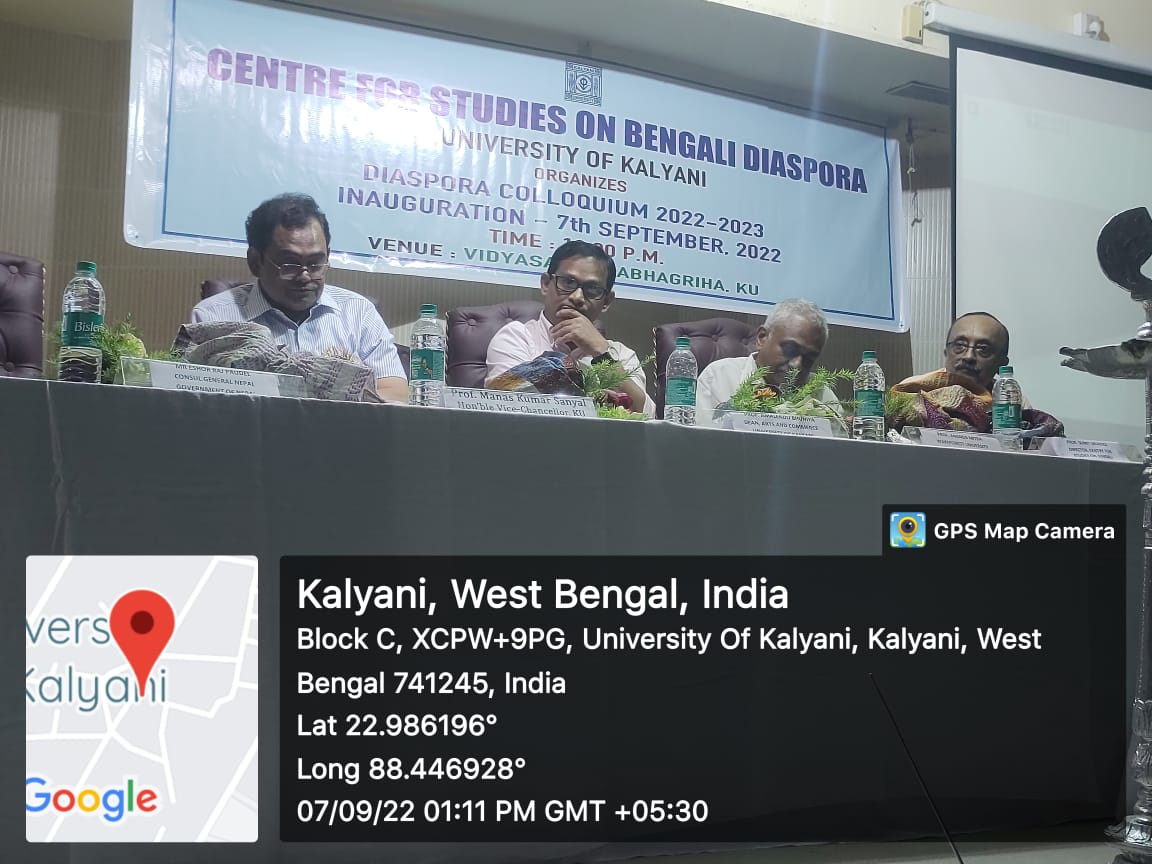
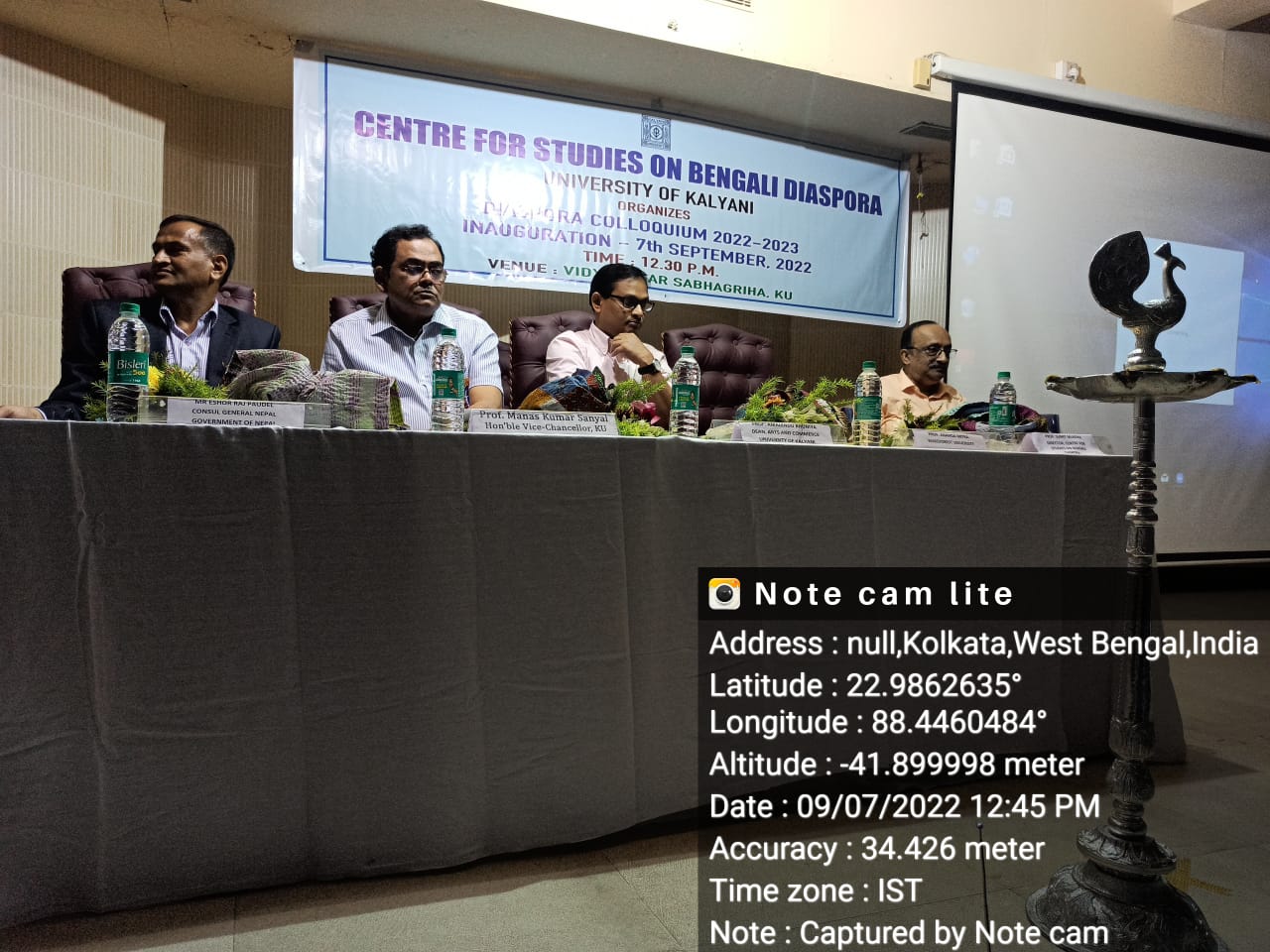
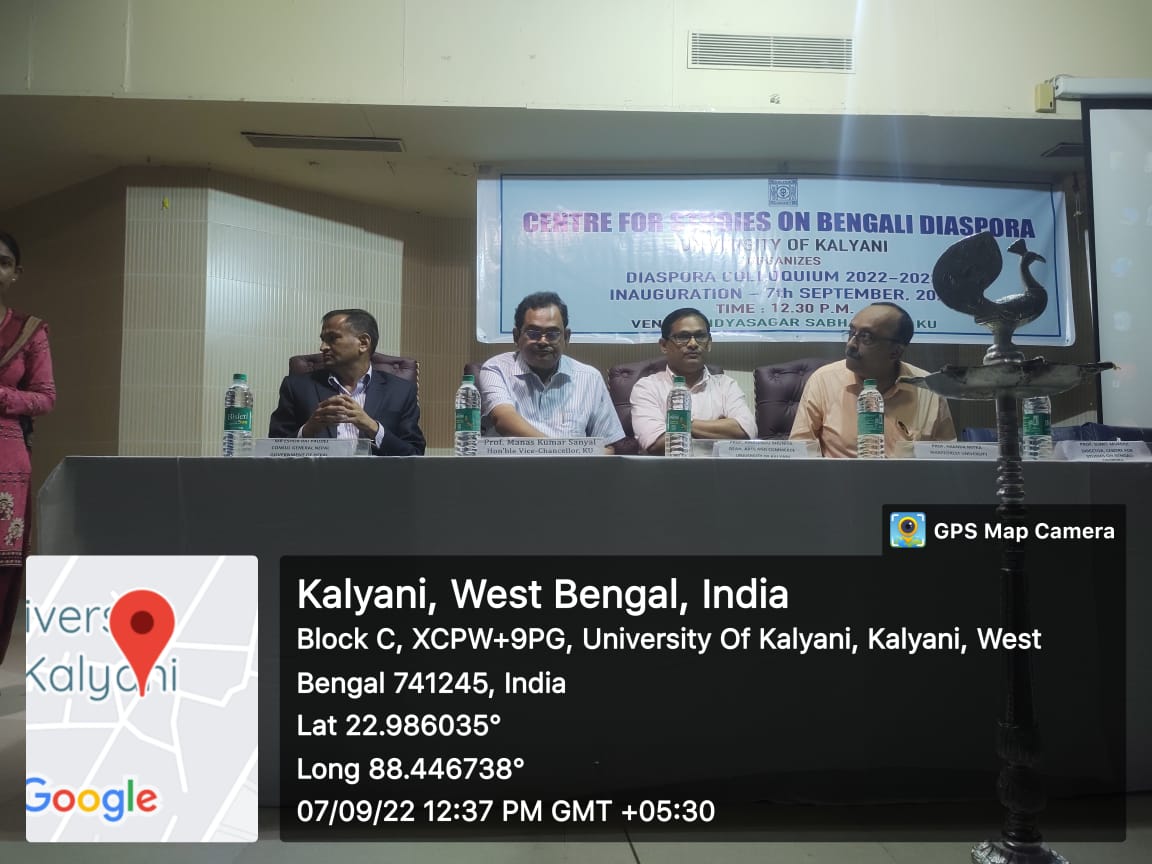
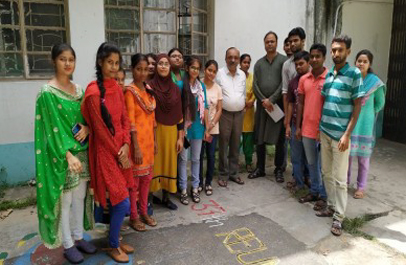
- Prof. Sumit Mukerji (Director)
- Centre for Studies on Bengali Diaspora University of Kalyani Kalyani, Dist. Nadia, Pin 741235 West Bengal, India
- Email: csbdku@gmail.com
- Mobile: +91 9831441665
- Location: https://goo.gl/maps/ikk5nyskPCyxkhgF7
The term Diaspora is derived from Greek word Diasperian implying sowing or scattering seeds. Originally it was applied to Jewish people outside Palestine. However, at present it is applied to displaced people dislocated from homeland and relocated in a foreign land. International migration due to war and territorial conflicts, geographical and environmental changes leads to influx of refugees. Sometimes voluntary migration in search of better employment opportunities or to be in the forefront impels settlement in foreign land.
Diaspora figures prominently in Social Sciences like Political Science, Sociology, Anthropology, Economics etc. It also has ramifications in History and Literature.
The Bengali Diaspora is an integral part of the Indian Diaspora. Non resident Bengalis are interspersed throughout the lengths and breadths of the world. They have maintained their emotional attachment to their motherland and sought to perform their role as bridge builders between their country of residence and their original homeland.
There has been an enormous proliferation of literature on Diaspora and centres for Diaspora studies have mushroomed in various parts of India. However, none of them has established any centre exclusively devoted to studies on the Bengali Diaspora in particular and Indian Diaspora as a whole.
- Year of establishment: 2014
- Faculty: Faculty of Arts and Commerce
- Interdisciplinary programmes and departments involved: In all the programs of the Centre, diverse faculties like Bengali, English, Economics, Folklore, Sociology, Political Science, History, Sanskrit participated actively and imparted a multidisciplinary dimension to the same.
- Number of teaching posts sanctioned, filled and actual (Professors/ Associate Professors/ Asst. Professors/ others): Proposal sent to UGC in 2015.
- Faculty profile with name, qualification, designation, area of specialization, experience.
Name: Prof. Sumit Mukerji
Designation: Director, Centre for Studies on Bengali Diaspora Professor,Department of Political Science
Qualifications: M.Phil., Ph.D.
Specialization: Identity Politics Diaspora Studies Terrorism Indian Freedom Movement Political Thought
No. of Years of Experience: 35 yrs.
The Centre looks forward to collaborative endeavour with the objective of stimulating inter disciplinary research envisaging intensive academic vibration through generation of research insights encompassing diverse areas and domains of knowledge. The ultimate goal is to reach out to the regional, national and global arena at both the academic and practical level and ensure enhanced visibility for the diasporic community. The common agenda for this integrated, collective effort is as follows.
- Organizing inter-disciplinary workshops based on diverse disciplines like Political Science, History, Literature, Sociology, Anthropology, Folklore, Education and also specialized fields like Film, Media and Gender Studies.
- Arranging Distinguished Lectures/ Seminars/ Panel Discussion consisting of writers, social and cultural activists and intellectuals of the Bengali Diaspora and academicians.
- Opening Doctoral programme on Area Studies in the University.
- Undertaking outreach activities pertaining to community, culture and society in multi-dimensional perspective. Issues like Sensitization programs, Awareness programs for immigrant women and children etc.
Inauguration Ceremony
The Centre for Studies on Bengali Diaspora, University of Kalyani was inaugurated on June 26, 2015 by His Excellency, the Governor of West Bengal Mr. Kesari Nath Tripathy in the presence of Prof. Rattan Lal Hangloo Hon’ble Vice Chancellor of the University, with an international seminar entitled Offsprings of Bengal in Distant Lands, Quest of the Disanchored. Ms. Helen LafaVe, Hon’ble Consul General US and the Hon’ble Deputy High Commissioner of Bangladesh Mr. Zokey Ahad was also present in the occasion.
Event Speakers
Director of Centre for Studies on Bengali Diaspora
Ms. Helen LafaVe, Hon’ble Consul General US and the Hon’ble Deputy High Commissioner of Bangladesh Mr. Zokey Ahad were present on the occasion.
Outreach Awareness Programme
Outreach Awareness Programme on Immigration
International Seminar 2016
International seminar entitled Renegotiating th...
Workshop 2018
7 Days International Inter-Disciplinary Worksho...
Summer School 2019
21 Days Summer School on Diaspora
Webinar 2020
ONE DAY INTERNATIONAL WEBINAR ON “GLOBAL MULTIC...
International Webinar 2022
The Indian Diaspora in South East Asia and the ...Not just Amartya Sen, Amitav Ghosh or Gayatri Chakravorty Spivak. The centre aims to recognise the largely undocumented contribution of unknown, but remarkable Bengalis from the two Bengals who spread throughout the world since Independence. The centre is the brainchild of vice-chancellor Rattanlal Hangloo, Kashmiri by birth, but “Bengali by heart” and an ardent admirer of Ashutosh Mukhopadhyay, the model vice-chancellor for him.
The Telegraph
- Prof. Sumit Mukerji (Director)
- Centre for Studies on Bengali Diaspora University of Kalyani Kalyani, Dist. Nadia, Pin 741235 West Bengal, India
- Email: csbdku@gmail.com
- Mobile: +91 9831441665
- Location: https://goo.gl/maps/ikk5nyskPCyxkhgF7